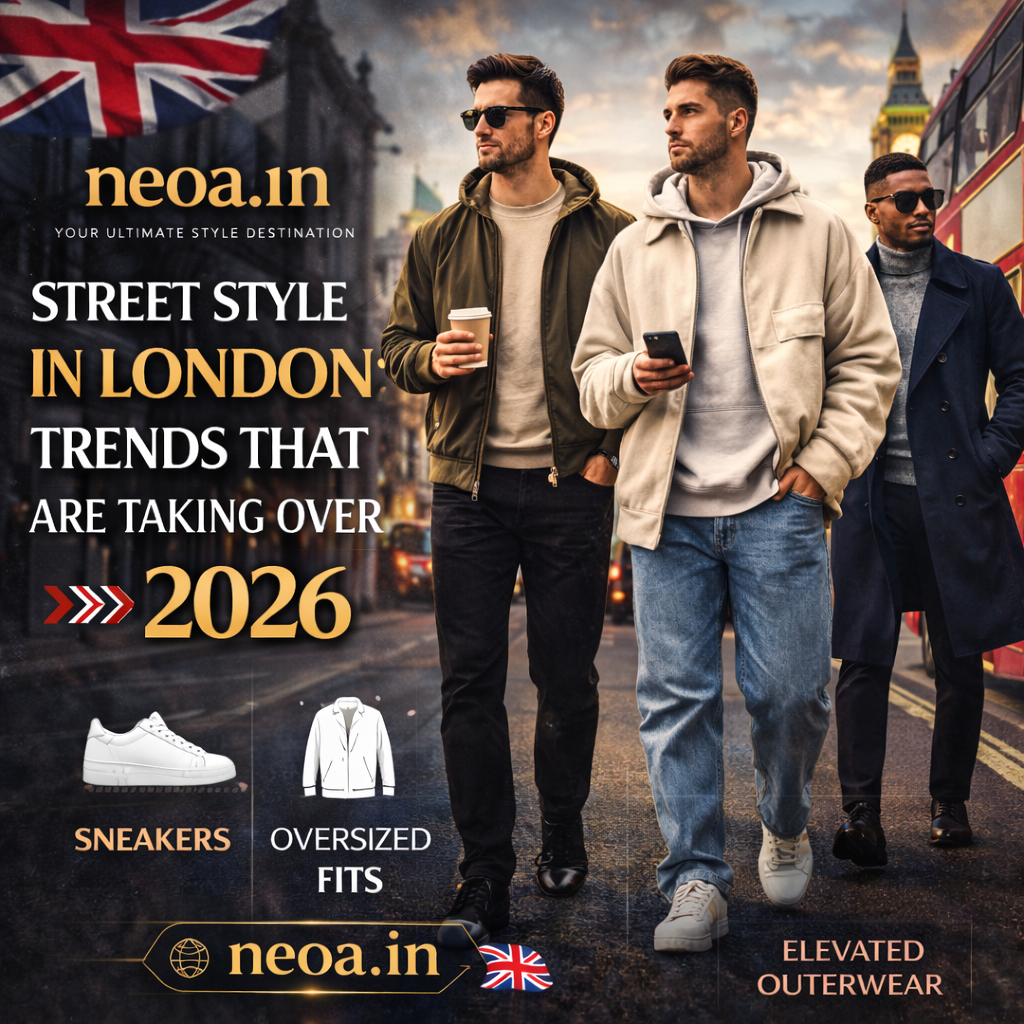
London has long been recognised as one of the most influential fashion capitals in the world. From luxury runways to everyday street culture, the city constantly shapes global fashion trends. In 2026, London’s street style reflects a powerful combination of creativity, individuality and practicality.
Unlike traditional fashion that often follows strict rules, street style allows people to express their personalities freely through clothing. Young designers, fashion influencers and everyday individuals contribute to the evolving look of modern London.
This article explores the major street style trends dominating London in 2026 and how men can incorporate these trends into their own wardrobes.
What Defines London Street Style?
Street style in London is known for its diversity. Because the city is multicultural and fast-paced, fashion trends often blend different cultural influences and styles.
Key characteristics of London street fashion include:
- Bold experimentation
- Mixing luxury with casual wear
- Oversized silhouettes
- Vintage and retro inspiration
- Personal expression over strict fashion rules
Rather than following a single trend, London street fashion celebrates individuality.
Why London Influences Global Fashion
London’s influence on fashion is not accidental. Several factors contribute to its global impact.
Major Reasons
| Factor | Impact |
|---|---|
| Fashion Schools | Institutions produce innovative designers |
| Cultural Diversity | Different cultures influence fashion trends |
| Creative Industry | London supports art, music and design |
| Fashion Events | Major fashion shows introduce new styles |
Because of this creative environment, street fashion in London often becomes inspiration for global fashion trends.
Major Street Style Trends in London (2026)
Several fashion trends are currently dominating London streets.
1. Oversized Clothing
Oversized silhouettes have become one of the most noticeable trends in modern street fashion. Baggy jackets, loose trousers and relaxed hoodies are widely seen across London.
Why Oversized Fashion Is Popular
- Comfortable and relaxed
- Inspired by 1990s fashion
- Creates bold streetwear aesthetics
Typical oversized outfit:
| Item | Example |
|---|---|
| Top | Oversized hoodie |
| Bottom | Wide-leg trousers |
| Shoes | Chunky sneakers |
2. Vintage and Retro Influence
Vintage fashion continues to dominate street style. Many Londoners combine modern pieces with retro clothing inspired by the 1980s and 1990s.
Popular retro items include:
- Vintage denim jackets
- Classic leather jackets
- Graphic T-shirts
- Retro trainers
This trend allows individuals to create unique outfits while also promoting sustainable fashion.
3. Neutral Colour Streetwear
While bold colours remain present, many London street outfits now focus on neutral colour palettes.
Popular Streetwear Colours
- Black
- Grey
- Beige
- Olive green
- Navy blue
Neutral tones allow people to create stylish outfits that remain simple and sophisticated.
4. Luxury and Casual Mix
One distinctive feature of London street style is the combination of luxury and casual clothing.
For example:
| Luxury Item | Casual Item |
|---|---|
| Designer coat | Basic hoodie |
| Premium sneakers | Relaxed trousers |
| Statement watch | Simple T-shirt |
This blend creates a balanced look that feels both stylish and effortless.
5. Statement Outerwear
Outerwear is particularly important in London because of the city’s unpredictable weather. As a result, jackets and coats often become the centrepiece of an outfit.
Popular outerwear styles include:
- Long trench coats
- Puffer jackets
- Oversized wool coats
- Technical jackets
These pieces provide both functionality and strong visual appeal.
6. Street Sneakers Culture
Sneakers have become a defining feature of street fashion. Limited edition trainers and stylish sneakers are commonly seen across London streets.
Sneakers are valued for:
- Comfort
- Unique design
- Cultural influence from music and sports
Many people build their entire outfit around a standout pair of sneakers.
7. Layering Techniques
Layering is another essential part of London street style, especially because of the city’s changing weather.
Example Layered Outfit
| Layer | Clothing Item |
|---|---|
| Base Layer | T-shirt |
| Middle Layer | Hoodie or sweater |
| Outer Layer | Jacket or coat |
Layering adds depth to outfits and allows individuals to adjust clothing according to temperature.
8. Accessories and Street Identity
Accessories play a significant role in defining street style.
Common street fashion accessories include:
- Crossbody bags
- Baseball caps
- Beanies
- Sunglasses
- Chunky jewellery
These elements help individuals personalise their outfits.
How to Incorporate London Street Style Into Your Wardrobe
You do not need to live in London to adopt elements of its street fashion. With a few key choices, anyone can achieve a similar look.
Practical Tips
- Start with neutral colours and simple outfits
- Add one statement piece such as a bold jacket
- Invest in stylish sneakers
- Experiment with layering
- Mix classic clothing with modern streetwear
The key is balancing comfort with individuality.
The Influence of Social Media on Street Fashion
Street style trends now spread rapidly through social media platforms. Influencers and fashion photographers regularly share street outfits from London.
These platforms help people discover:
- New outfit ideas
- Emerging designers
- Popular fashion items
- Global street trends
However, the most authentic street style always comes from personal creativity rather than imitation.
Conclusion
London’s street style in 2026 reflects creativity, diversity and individuality. From oversized silhouettes to vintage inspiration and sneaker culture, modern street fashion encourages experimentation and personal expression.
Unlike traditional fashion rules, street style allows individuals to combine different influences and create their own unique identity through clothing.
As London continues to inspire designers and fashion enthusiasts worldwide, its street fashion remains one of the most dynamic and influential forces in the global fashion industry.